Training courses on comprehensive conflict analysis and innovative tools for peacebuilding
Duration
January 2023 – March 2024
Location
Munich, Germany and Tunis, Tunisia
Partners
Peace Up! (Germany), Peace Ambassadors Poland (Poland), Association Jeunes Artistes (Tunisia)
Target group
Young people, youth workers, educators, trainers, community leaders, and professionals working in youth work, human rights, peacebuilding, and diverse communities who want to strengthen their skills in conflict analysis and conflict transformation
About the project
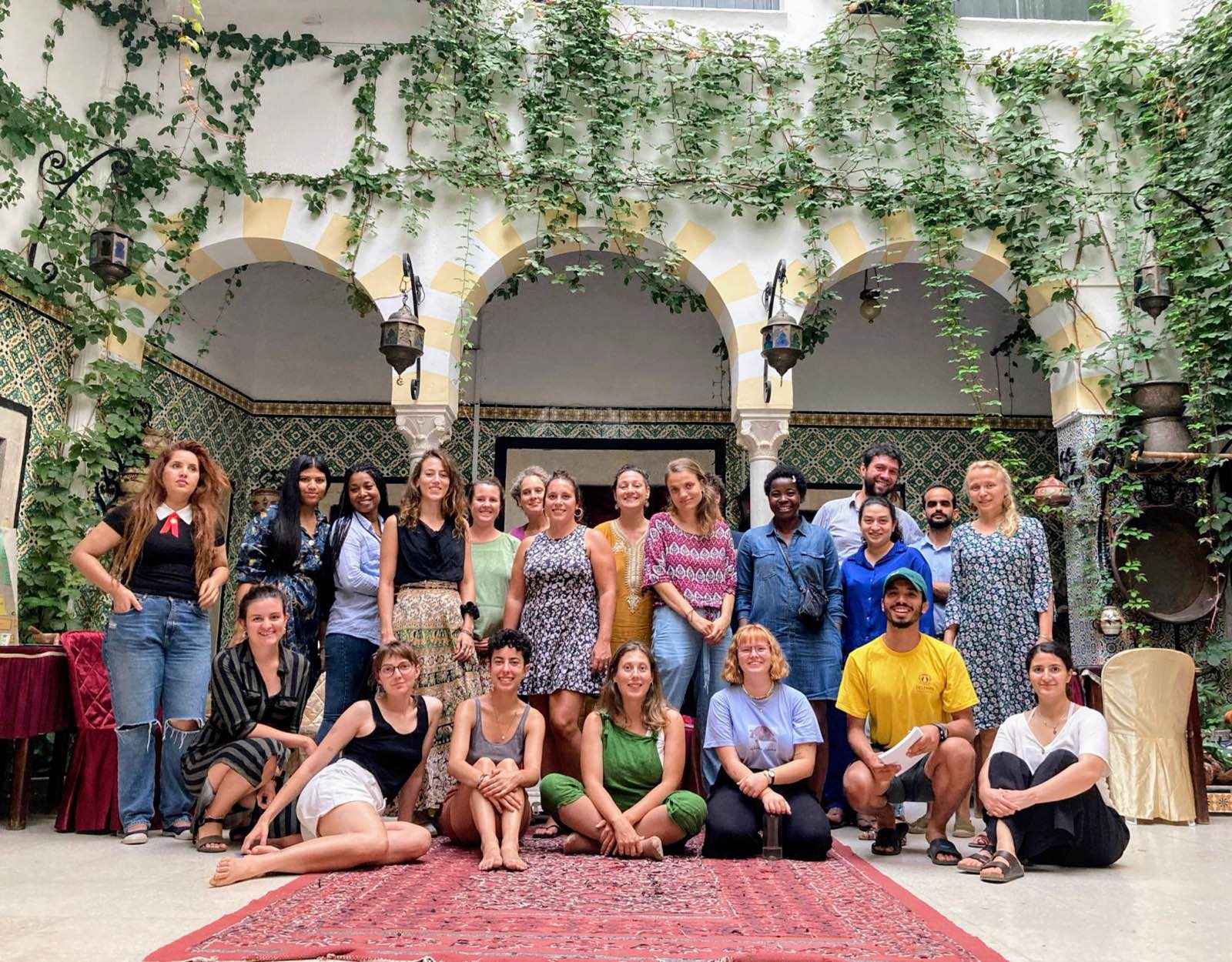
Another Peace brings together young people and youth workers from Europe and North Africa to strengthen their understanding of conflict and develop practical tools for peacebuilding.
The project responds to the growing need for young people to better understand the root causes of conflicts, navigate diversity, and contribute to peaceful and inclusive communities. Through international learning and practical training, participants explore conflict analysis, conflict transformation, and innovative peacebuilding approaches while exchanging experiences across different cultural contexts.
By combining theory with hands-on practice, the project equips participants with the knowledge and confidence to analyse conflicts, facilitate constructive dialogue, and implement peacebuilding initiatives in their local communities.
Objectives
- To strengthen participants’ conflict analysis skills
- To develop practical competences in conflict transformation and peacebuilding
- To promote intercultural dialogue and international cooperation
- To equip young people with innovative tools for working with conflicts
- To inspire local peacebuilding initiatives and community action
Activities
- Training Course on Comprehensive Conflict Analysis and Innovative Tools for Peacebuilding
- Training Course on Conflict Transformation and Innovative Peacebuilding Tools
- Follow-up actions
Learning materials
Articles
- Another Peace: Building communities through music, arts and unity
- Another Peace: Peacebuilding and Conflict Analysis Trainings in Tunisia and Germany
Funding
This project is financed by the European Union’s Erasmus+ Programme, Jugend für Europa, Erasmus+ National Agency of Germany.
Funded by the European Union. Views and opinions expressed are however those of the author(s) only and do not necessarily reflect those of the European Union or the European Education and Culture Executive Agency (EACEA). Neither the European Union nor EACEA can be held responsible for them.